
Advancing Sustainability with GRS Certified Fabrics #
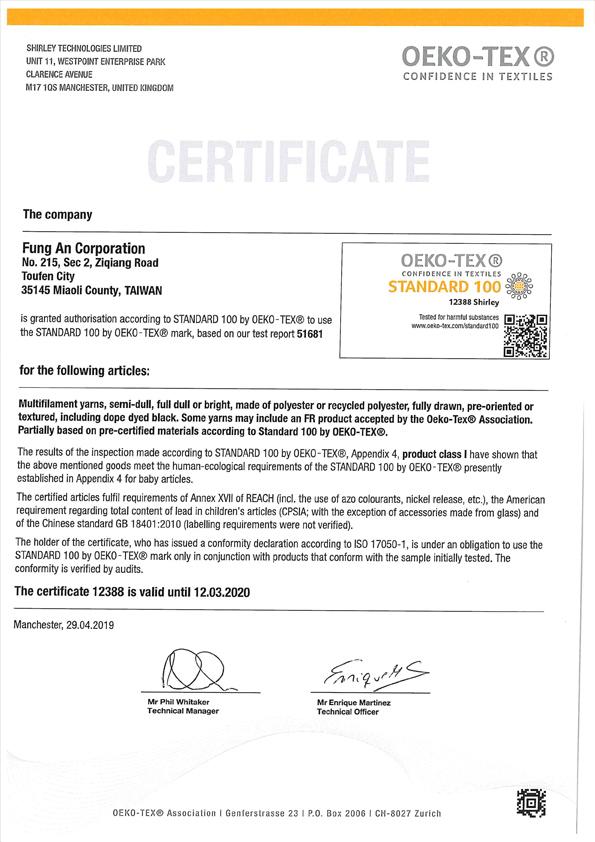 Certification Image 1
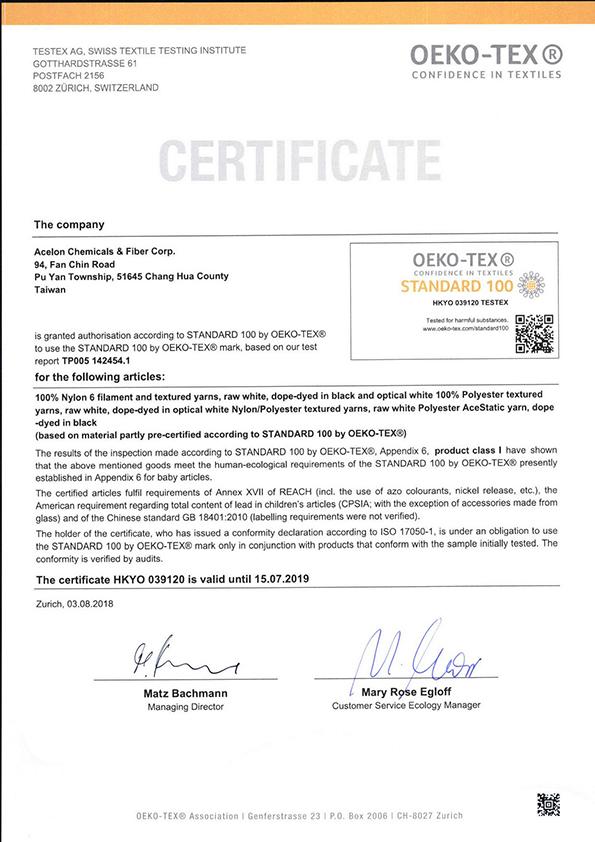 Certification Image 2
 Certification Image 3
 Certification Image 4
What is GRS Certified Fabric? #
GRS Certified Fabrics, or Global Recycled Standard certified fabrics, mark a significant step forward in sustainable textile manufacturing. The GRS is an internationally recognized standard that verifies yarn raw materials are sourced from recycled waste and that the entire production process adheres to strict environmental, social, and chemical management criteria. By choosing GRS-certified fabrics, we help reduce the consumption of natural resources, lower greenhouse gas emissions, and support the sustainable growth of the recycling industry.
This certification not only confirms the presence of recycled content but also ensures responsible production practices and traceability throughout the supply chain. As a result, GRS is a comprehensive benchmark for eco-friendly textiles.
Applications and Benefits of GRS Fabrics #
Global Recycled Standard fabrics are highly versatile and suitable for a broad spectrum of products, including apparel, home textiles, and industrial goods. Whether for T-shirts, jeans, towels, or carpets, GRS fabrics often match or even exceed the quality and performance of conventional materials. They can also be blended with other yarns to achieve unique effects and properties, opening up new possibilities for innovative textile solutions.
The environmental advantages are substantial: GRS certified fabrics reduce the need for virgin raw materials, conserve water, energy, and land, and minimize waste and pollution. Socially, they contribute to job creation and income growth in the recycling sector, while also raising consumer awareness about environmental and social responsibility.
Why Choose GRS Certified Fabrics? #
Opting for GRS certified fabrics is more than a trend—it’s a vital move toward addressing climate change and fostering sustainability in the textile industry. As global awareness of climate issues grows, recycling becomes increasingly important, with varying regulations and participation requirements worldwide. Producing recycled fabrics consumes less energy than manufacturing new yarns, resulting in a reduced carbon footprint.
The rising demand for recycled textiles encourages companies to collect more plastic waste from oceans and other sources, contributing to cleaner environments. By investing in GRS fabrics, both businesses and consumers can make meaningful contributions to a more sustainable world, unlock new business opportunities, and promote collaboration within the textile sector.
Explore our website to discover more about our fabric products and sustainable solutions.